Dental implants are used as part of the process of replacing missing teeth, but successful treatment depends on more than the visible replacement tooth. The condition of the jaw beneath the gums also plays an important role.
For implants involving the upper jaw, the amount and quality of available bone must be carefully evaluated before treatment planning. Every patient’s anatomy is different, which is why an individual dental assessment is essential before determining the appropriate approach. At EdgeWater Dental, we offer implant restorations as part of our general dentistry services and use digital X-rays as part of our modern approach to dental care.
Why Does Bone Matter for Dental Implants?
A dental implant is associated with replacing a missing tooth and requires support from the surrounding jaw structure. If there is insufficient bone in the area being considered for an implant, additional evaluation may be necessary before proceeding.
Bone volume and quality can vary from one area of the mouth to another. Factors such as previous tooth loss and an individual patient’s oral health can also influence treatment planning. Speaking with a dentist Sarnia patients can visit allows the condition of the teeth, gums, and supporting structures to be evaluated before decisions are made about tooth replacement.
What Makes the Upper Jaw Different?
The upper jaw has its own anatomical considerations, including its relationship to the sinus cavities. Because each person’s bone structure is different, the available space and supporting bone need to be considered when planning implant treatment.
This does not mean that having less bone automatically prevents someone from receiving a dental implant. Instead, it means that appropriate assessment is needed to determine what options may be suitable.
Dental implants can also involve different dental professionals depending on the patient’s needs. Oral and maxillofacial surgeons may be involved in dental implant placement, while prosthodontists can also participate in the dental implant process and the replacement of missing teeth.
How Is the Jaw Evaluated?
Before any restorative treatment, dentists need a clear understanding of a patient’s oral health. Regular dental examinations can include an evaluation of the teeth and gums as well as X-rays when appropriate.
At our family dental Sarnia practice, we use digital X-rays and charts. Digital imaging can provide information about structures that cannot be fully evaluated simply by looking inside the mouth. An assessment may consider:
- The location of the missing tooth
- The condition of nearby teeth and gums
- The available supporting bone
- Overall oral health
- The type of restoration being considered
What Happens After a Dental Implant Is Placed?
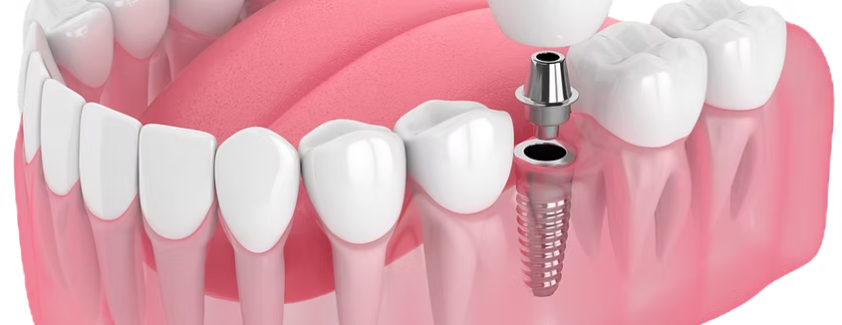
The implant itself is only one part of replacing a missing tooth. A restoration is also needed to create the visible portion of the replacement. EdgeWater Dental offers implant restorations along with dental crowns, bridges, fillings, root canals, and other general dentistry services.
The exact treatment process depends on the patient, the location of the missing tooth, and the dental professionals involved.
Start With an Individual Dental Assessment
Upper jaw bone density is an important consideration because dental implant treatment depends on having appropriate support in the area being treated. However, no two jaws or treatment plans are exactly alike.
If you are considering options for replacing a missing tooth, meeting with a dentist Sarnia patients can rely on is a useful first step. At EdgeWater Dental, our team can evaluate your oral health, discuss restorative options, and help determine an appropriate path forward based on your individual needs.