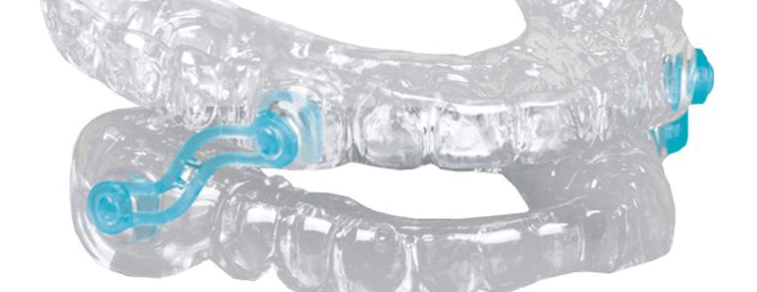
Severe snoring can be more than a nighttime nuisance. In some people, loud and persistent snoring may occur alongside obstructive sleep apnea, a condition involving repeated interruptions in breathing during sleep. Because these interruptions can have health implications, severe snoring should not be treated as something that can simply be managed without an assessment.
A custom dental appliance may help some people with certain forms of sleep-disordered breathing. However, it does not automatically stop severe snoring or apnea, and suitability depends on the individual’s condition.
How Can a Dental Appliance Help?
A custom oral appliance is designed to fit inside the mouth and influence the position of the jaw or tongue during sleep. For appropriate patients, this may help keep the upper airway more open and reduce airway obstruction.
The appliance is different from an ordinary mouthguard. It is planned and fitted according to the patient’s oral structures and treatment needs. However, the effectiveness of an appliance can vary. A dental professional should consider the individual’s symptoms, oral health, jaw structure, and other relevant factors before recommending this type of treatment.
Is It Suitable for Severe Sleep Apnea?
A dental appliance is not necessarily appropriate for every person with sleep apnea. The severity and type of sleep-disordered breathing matter when determining treatment options. People experiencing significant snoring or suspected apnea may first need an appropriate medical assessment. Sleep testing may be recommended to determine whether apnea is present and how severe it may be.
Depending on the findings, treatment options can differ. A dental appliance may be considered in certain situations, while other patients may require different forms of care. Dental treatment should not replace medical evaluation for suspected sleep apnea.
Why Professional Assessment Matters
Before receiving an oral appliance, a dental professional may evaluate the teeth, gums, jaw, bite, and existing dental restorations. These factors can influence whether an appliance is suitable. A dentist in Sarnia can also discuss symptoms and explain what can reasonably be assessed through dental care.
If sleep apnea is suspected, coordination with an appropriate medical or sleep-care provider may be necessary. Patients should receive understandable information about proposed care, including relevant benefits, material risks, alternatives, and the potential consequences of not proceeding. This allows treatment decisions to be based on individual circumstances rather than assumptions.
What About Ordinary Snoring?
Not all snoring is caused by obstructive sleep apnea. Nasal congestion, sleep position, alcohol consumption, airway anatomy, and other factors may contribute to snoring. This is why treating the sound alone may not address its underlying cause.
If snoring is frequent, unusually loud, or accompanied by observed pauses in breathing, gasping, daytime sleepiness, or other concerning symptoms, professional assessment is appropriate. A family dental in Sarnia provider can assess relevant oral factors, while suspected sleep apnea may require evaluation beyond dentistry.
Can an Appliance Eliminate Apnea?
There is no guarantee that a dental appliance will completely stop apnea. Even when an appliance is selected as part of treatment, follow-up may be needed to determine whether it is addressing the individual’s condition adequately. The goal is to choose care based on an appropriate assessment and to monitor the person’s response over time.
Explore Your Sleep-Related Dental Concerns With Edgewater Dental!
Edgewater Dental provides dental care focused on individual needs and clear treatment discussions. If snoring, oral discomfort, or another dental concern is affecting your sleep, an assessment may help identify relevant oral factors and available options. Reach out to our dentists in Sarnia to discuss your symptoms, ask questions, and make informed decisions about your dental care.